
1565
A Spanish foothold
In 1565, conquistador Miguel López de Legazpi arrived in Cebu and founded the first permanent Spanish settlement in the Philippines. A simple wooden fort was raised here as the settlement's first defense.
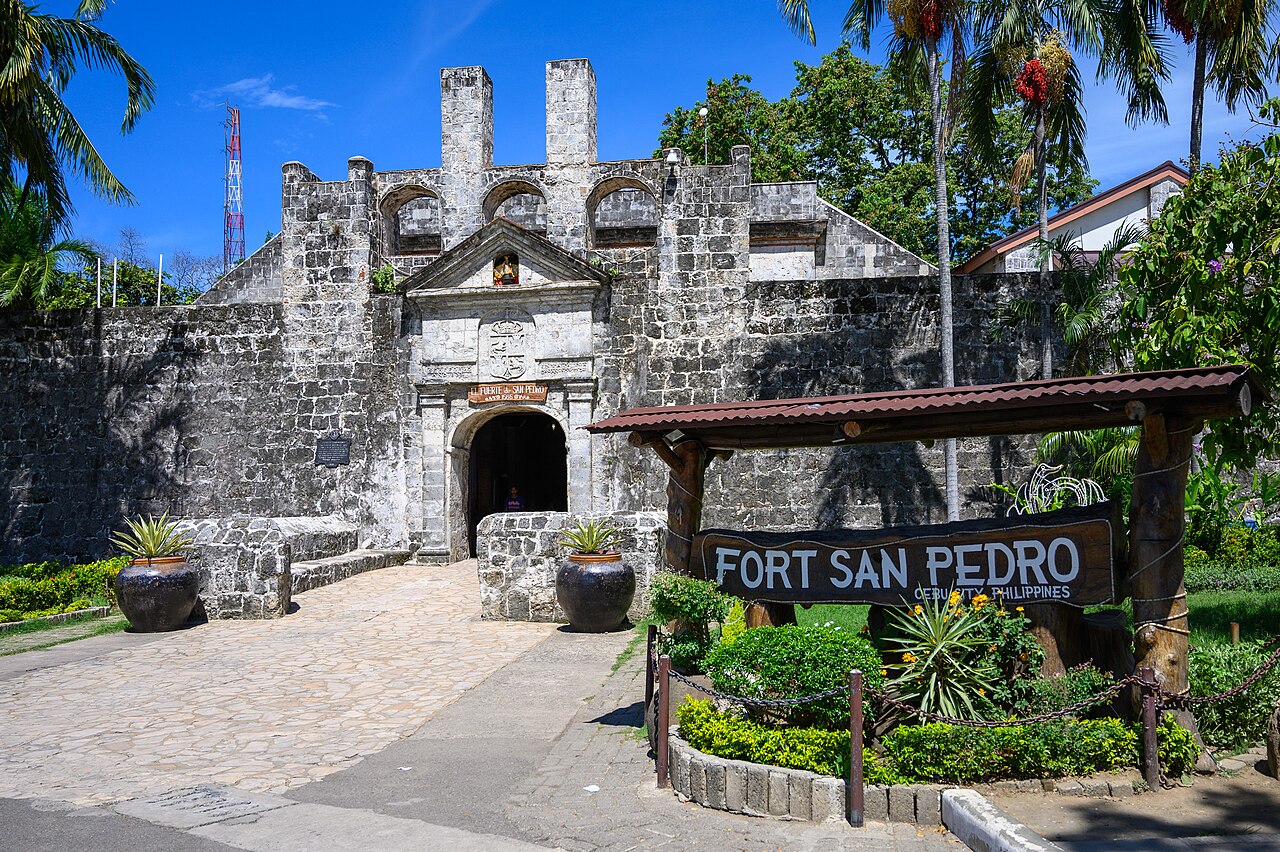
Fuerte de San Pedro · Cebu City
A compact triangular stone fort on the edge of Plaza Independencia—a powerful starting point for your heritage walk through downtown Cebu.
Overview
Welcome to Fort San Pedro, widely recognized as the central Spanish-era fortress of Cebu City. Located in the heart of Cebu, Philippines, this destination serves as a primary hub for travelers visiting the region.
When visiting Fort San Pedro, visitors can easily explore surrounding historical landmarks and points of interest, including Basilica del Santo Niño and Magellan’s Cross.
View on Google Maps ↗Why come here
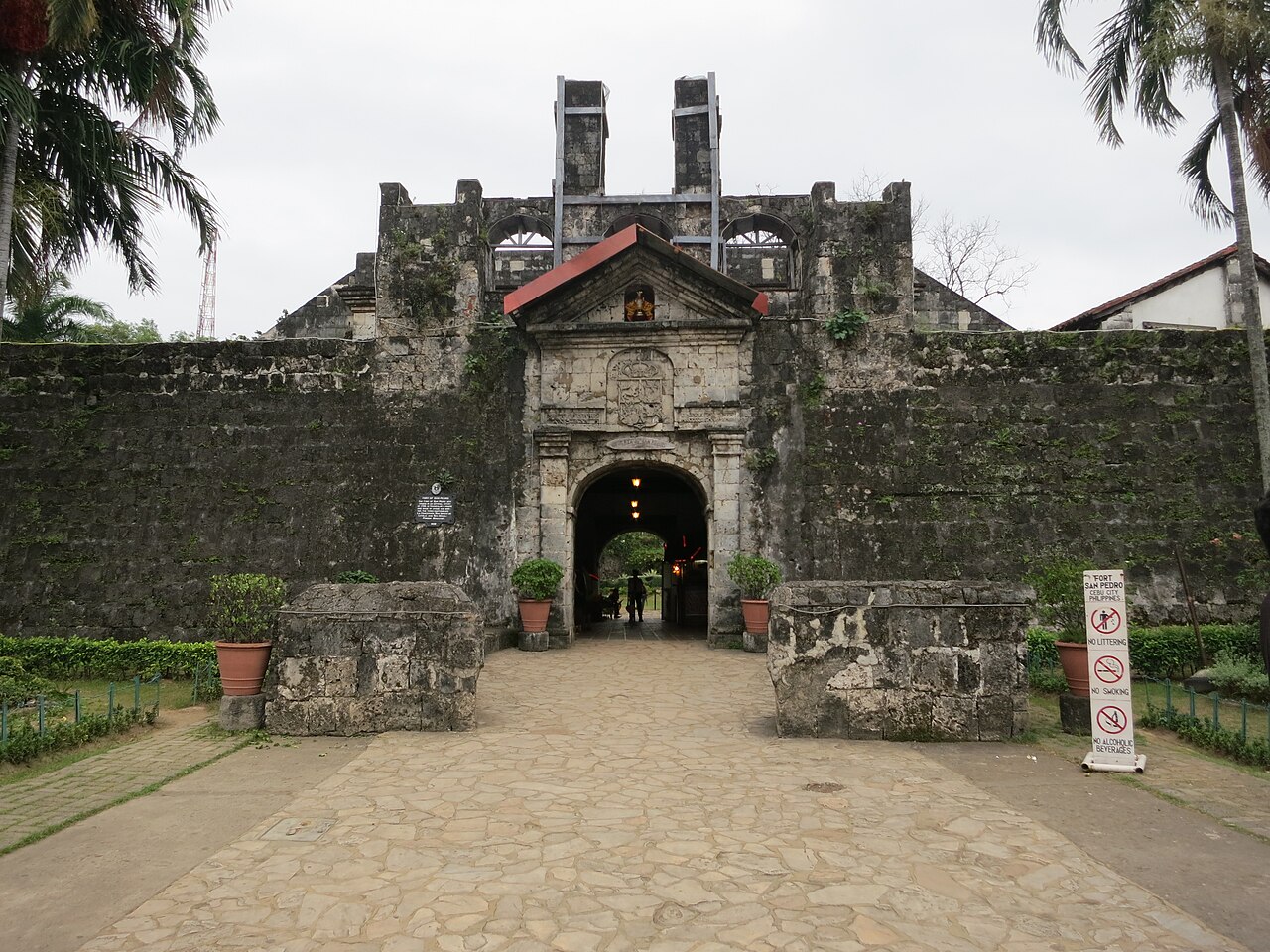
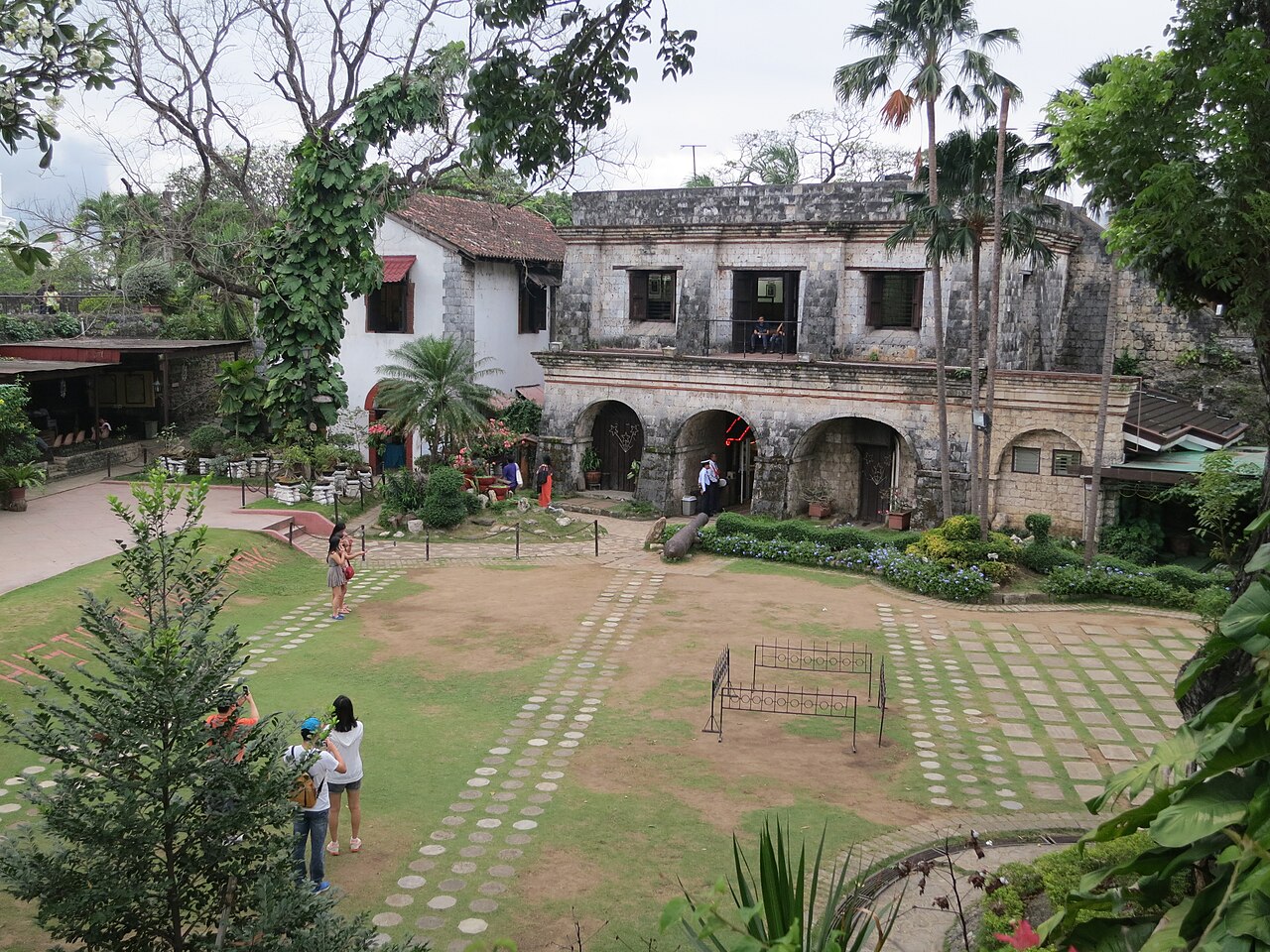
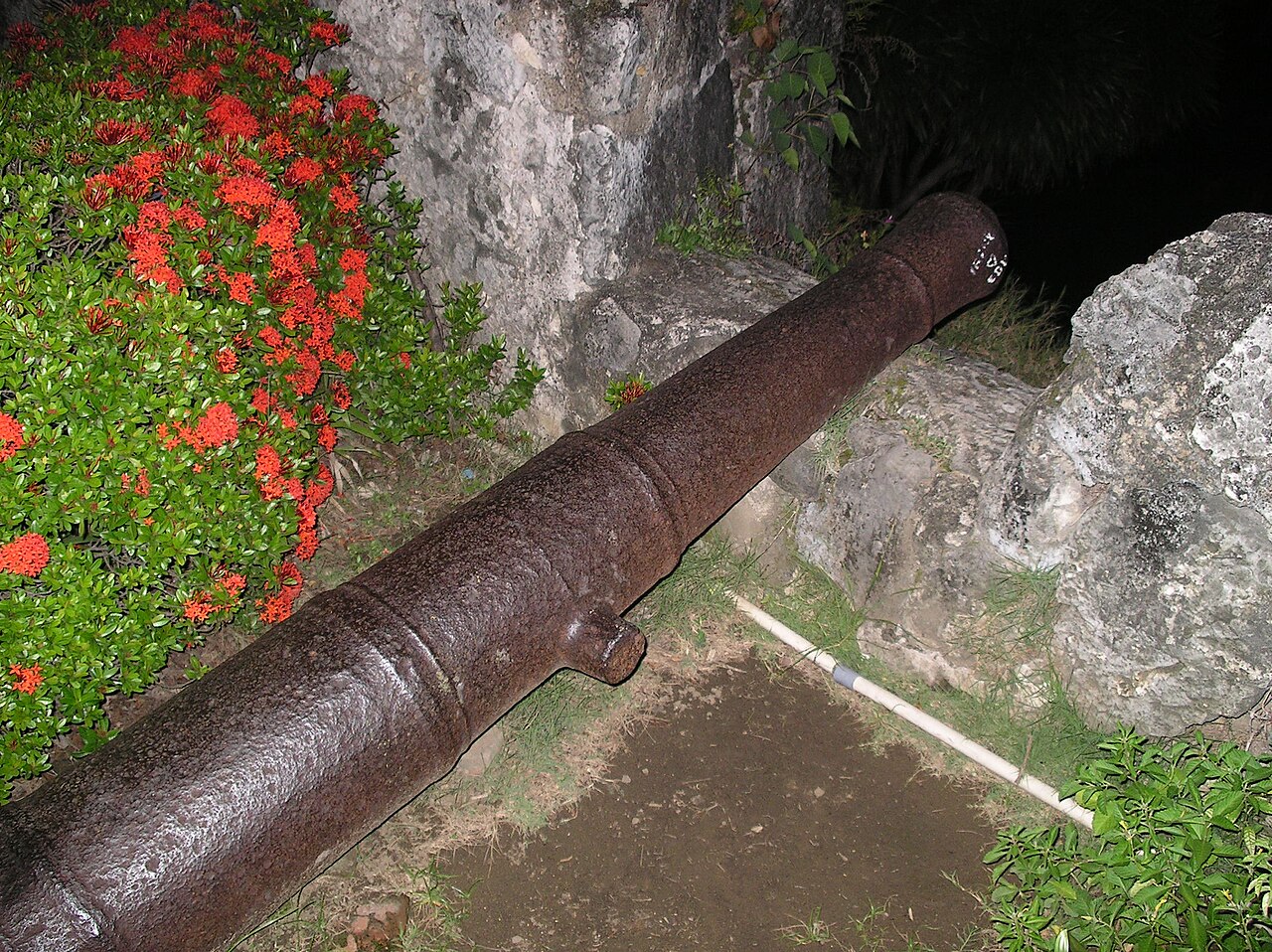
Fort San Pedro began as a defensive structure for the first Spanish settlement in Cebu. The present stone structure takes the form of a triangular bastioned fort—coral-stone walls, vintage cannons, a garden courtyard, and elevated views from the ramparts.
The earliest fortification was established on this site; later rebuilt and reinforced in stone.
The present stone fort is generally dated to the 18th century, one of the most distinct Spanish-era military landmarks in Cebu.
History
From a wooden defense to a stone fortress, Fort San Pedro has watched over more than four centuries of Cebu's story.
In 1565, conquistador Miguel López de Legazpi arrived in Cebu and founded the first permanent Spanish settlement in the Philippines. A simple wooden fort was raised here as the settlement's first defense.
The wooden palisade gave way to a coral-stone fortress. Its triangular plan—three bastions named La Concepción, Ignacio de Loyola, and San Miguel—reflects the defensive architecture of the Spanish colonial period.
In the context of the Philippine Revolution, the fort was taken from its Spanish garrison by revolutionary forces in 1898, near the end of centuries of colonial rule.
During the American colonial era the fort served as a military camp; in World War II it saw garrison duty again, and after the war it briefly housed the Cebu City zoo.
Restored in recent decades, the fort now opens to the public as a landscaped garden, a small museum, and a symbol of Cebu's layered history.
Stories & legends
Fortresses are not just stone—they also grow stories. Some of these are recorded in history; others live on in the folklore of Cebu.
The fort's three corners are named La Concepción, Ignacio de Loyola, and San Miguel—religious names that show how faith and defense were woven together in the Spanish colonial world.
Local lore says a secret tunnel once ran from the fort toward the Santo Niño church area. No confirmed passage has ever been found, but the story endures as one of Cebu's favorite what-ifs.
The walls were built from coral stone quarried nearby and lime mortar—materials that give the fort its pale, textured surface and tie its construction to the island's own coasts.
Older Cebuano residents remember when the fort's courtyard briefly housed a small city zoo, before the space was restored as a garden and museum.
Practical guide
₱40 for students and senior citizens per the current published city fee proposal retaining existing basic rates. Bring a valid ID for the discounted rate.
Note: fees may change; always confirm at the entrance on the day of your visit.
Current listing: daily. Holidays, events, and maintenance may affect availability.
minutes
Sufficient for the courtyard, wall walk, cannons, and displays; add more time if you enjoy history or photography.
More comfortable temperatures and better light on the stone walls. If you prefer a quieter courtyard, try opening hours rather than midday.
Parking is available around Plaza Independencia, but slots can fill up quickly during busy hours and events. Taxi/Grab is simpler if you do not want to hunt for a spot.
Detailed transport
Search "Fort San Pedro" or "Plaza Independencia" on your ride app. The entrance is on A. Pigafetta Street, near Pier 1 and the downtown heritage area.
Easiest: taxi or Grab directly to Fort San Pedro / Plaza Independencia. Budget option: MyBus from the airport to SM City Cebu, then jeepney or taxi/Grab for the final leg downtown. Do not budget an exact travel time as Cebu traffic varies considerably.
Look for routes passing through Plaza Independencia / Pier area. The 12I route is known to connect SM City Cebu to the Plaza Independencia–Fort San Pedro corridor. Ask the driver or conductor before boarding as routings may change.
The most straightforward option from hotels, IT Park, Ayala, or SM. Pin Fort San Pedro, A. Pigafetta Street. For pickup, the edge of Plaza Independencia is sometimes easier than the gate itself when crowded.
The fort sits near the port district; from Pier 1, a short walk or quick taxi/ride is practical depending on your luggage and the heat.
Heritage loop
The best way to experience Fort San Pedro is to combine it with old downtown Cebu. Many of the city's most significant landmarks sit within a compact heritage corridor.
A spacious green space immediately outside the fort—ideal for resting and beginning your heritage walk.
One of Cebu's most recognizable landmarks, within a short walk from the fort.
A major religious and historical site at the heart of old Cebu.
A nearby museum that pairs well with the fort for deeper context on Cebu's history.
Another prominent stop within the Cebu City heritage core.
A heritage house showcasing domestic life and architecture of old Cebu.
Nearby dining
A neutral taste of downtown Cebu—we describe food types only, never particular restaurants. Confirm current opening hours before going.
Grilled fish, squid, pork and chicken skewers, and classic Filipino barbecue served at streetside and casual eateries.
Wonton noodles, pancit, dim sum, and family-style rice-and-meat dishes from the city's Chinese–Filipino dining tradition.
Daily cooked viands, rice meals, and soups in the affordable "lutong-bahay" tradition found across the downtown.
Facilities
A neutral guide to nearby services—we list types only, not specific shops or establishments.
Public restrooms are available inside the fort complex. Old stone paths can be uneven, so allow extra time.
Limited parking around Plaza Independencia fills up fast. Taxi or ride-hailing is usually easier.
Local eateries serve grilled seafood, barbecue, noodle dishes, and home-style Filipino meals. Confirm opening hours before you go.
Budget inns, hostels, mid-range hotels, and portside business hotels are within easy reach. There is no lodging inside the fort.
Convenience stores, banks with ATMs, and souvenir shops are scattered across downtown. Water and snacks are easy to find.
Petrol stations operate on major city routes; EV charging points are gradually appearing in Cebu City. Check your app for the nearest one.
Local itinerary
Save the places you want to visit. The list is stored only on your device via localStorage—no account, no upload, no server.
Nothing saved yet. Save the Fort or pick stops in the "Nearby" section.
Location
A. Pigafetta Street,
Cebu City 6000
Beside Plaza Independencia and near Cebu Pier 1.
Travel guides
Longer reads on the practical questions visitors search for most: what things cost, what is nearby, and how to fit it all into one day.
FAQ
The current regular entrance fee reported in local news is ₱50; ₱40 for students and senior citizens. It is best to confirm at the entrance as policies may change.
The current Google Maps listing shows 8:00 AM–5:00 PM daily. Hours may change on holidays, during events, or for maintenance.
For most visitors, 45–90 minutes is sufficient for the courtyard, ramparts, cannons, and displays. Add time if you also include Plaza Independencia and other downtown heritage sites.
Yes. Fort San Pedro, Plaza Independencia, Basilica del Santo Niño, and Magellan’s Cross are all within the same downtown heritage area and are practically combined in a single walking route.
Parking exists around Plaza Independencia, but space is limited and can fill up. Taxi/Grab or arriving early are usually easier options.
The lower courtyard is reasonably accessible, but some staircases and rampart sections have uneven stone surfaces. Take your time and ask for assistance if needed.
Yes. The fort houses a small museum displaying historical artifacts, paintings, and memorabilia from the Spanish colonial period, alongside its garden courtyard and vintage cannons.
Photography is generally allowed in the courtyard and museum areas. Some exhibits may restrict flash photography; respect posted signs and museum staff.
Yes. Public restrooms are available inside the fort complex, and around Plaza Independencia and the downtown area you will find convenience stores, eateries, banks with ATMs, and lodging in various price ranges. As a non-commercial guide we describe types only, not specific establishments.
It began as a wooden defense for the first Spanish settlement founded by Miguel López de Legazpi in 1565, was rebuilt in coral stone around 1738 as a triangular fortress with three bastions, and has since served as a garrison, briefly as a city zoo, and today as a garden and museum.
There is no regularly scheduled guided tour. The fort is set up for self-guided visits with interpretive panels and a small museum. For large groups or school trips, ask at the entrance or contact Cebu City tourism offices ahead of time to arrange assistance.
Casual photography is generally allowed, but bringing tripods, props, lighting, or a full crew usually requires permission from the fort administration and may involve an additional fee. Ask at the entrance before your shoot date.
Fort San Pedro sits inside a compact heritage corridor: Plaza Independencia is right outside the gate, and Magellan’s Cross, Basilica Minore del Santo Niño, Cebu Metropolitan Cathedral, and the National Museum of the Philippines – Cebu are all reachable on foot.
Sources
For official updates and regional tourism information, visit: