
Top 10 things to do in Cebu City near Fort San Pedro
Updated:
Fort San Pedro is not an isolated stop — it sits inside the compact heritage core of downtown Cebu. Almost everything visitors want to see in the old city is within a short walk of the fort gate, which makes it the most efficient place to start a half-day route.
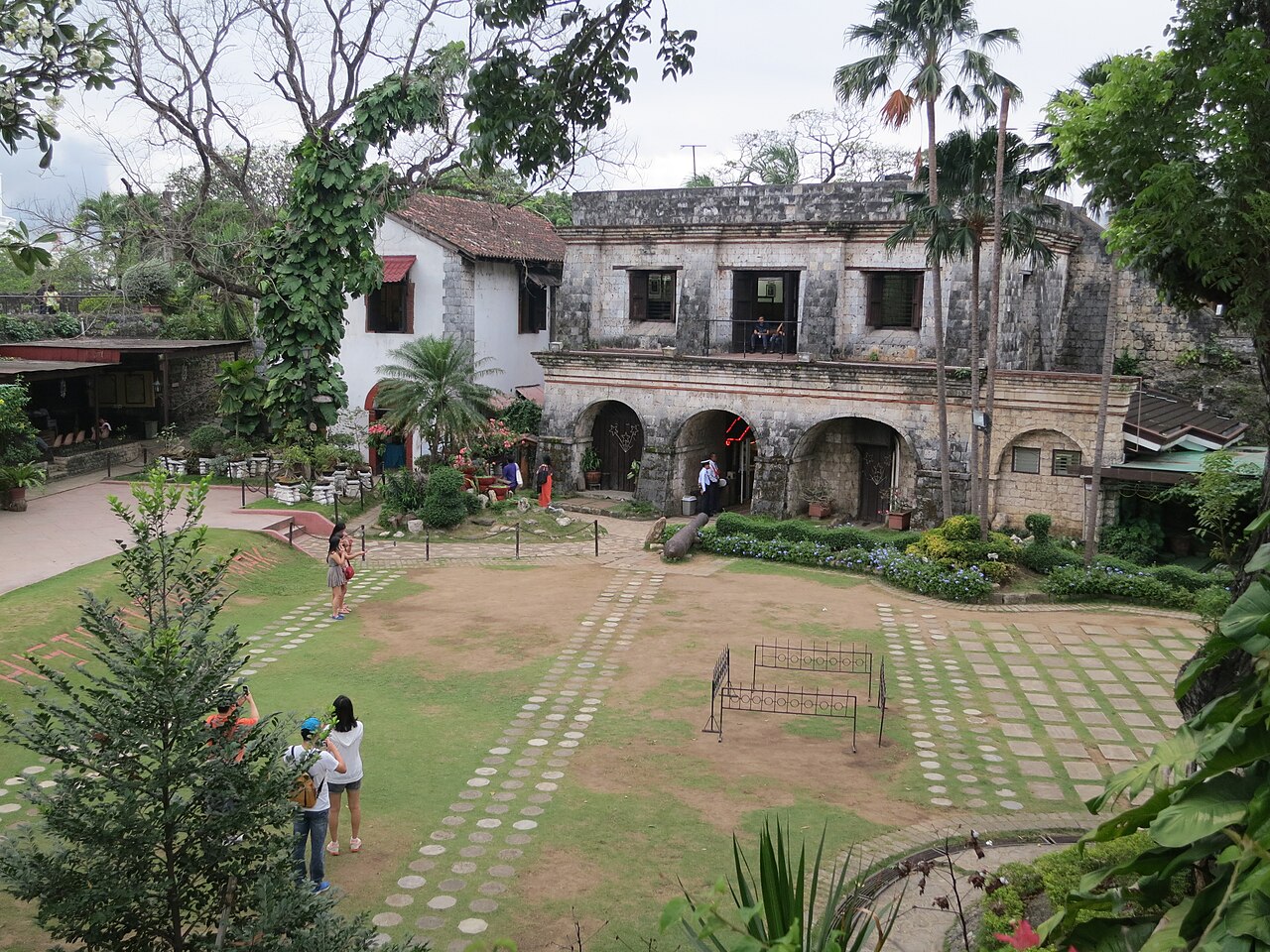
The 10 stops
1. Fort San Pedro
The triangular coral-stone fort itself. Give it 45–90 minutes for the courtyard, the wall walk, the vintage cannons and the small museum.
2. Plaza Independencia
Immediately outside the gate. A shaded green space that works as a rest stop and the natural starting line for the walking route.
3. Magellan’s Cross
One of the most recognizable landmarks in Cebu, a few minutes on foot from the fort. The painted ceiling inside the kiosk is the detail most people miss.
4. Basilica Minore del Santo Niño
The religious heart of old Cebu and the oldest church in the Philippines. Expect queues on Sundays and feast days.
5. Cebu Metropolitan Cathedral
A short detour from the Basilica; its austere interior is a sharp contrast to the ornate basilica next door.
6. National Museum of the Philippines – Cebu
On A. Pigafetta Street, the same street as the fort. Free-flowing context on Cebu’s pre-colonial and colonial past.
7. Casa Gorordo Museum
A heritage house in the Parián district that shows how a wealthy Cebuano family lived in the 19th century.
8. Parián district and Colon Street
The oldest street in the Philippines. Busy, hot and unglamorous, but it is the commercial spine that explains why the fort was built where it was.
9. Downtown eateries and carinderias
Around the market and side streets you will find grilled seafood, Filipino barbecue, noodle dishes and cheap home-style rice meals.
10. The seafront and Pier 1 area
The fort was built to watch this coastline. Walking the edge of the port district at the end of the route closes the loop historically and geographically.
How long does the route take?
Three to four hours covers the fort plus the heritage core at a relaxed pace. If you only have a morning, do Fort San Pedro, Plaza Independencia, Magellan’s Cross and the Basilica — that cluster alone takes about two hours.
Adding the National Museum and Casa Gorordo turns it into a half day. Do not try to schedule exact transfer times between stops: downtown Cebu is dense, and crossings, queues and the heat will decide the pace.
Practical tips for the walk
Start early. The heritage core has limited shade and the midday heat is the main reason people cut the route short.
Bring cash in small denominations. Entrance fees, offerings and market food are cash-first, and small bills are easier than cards at this end of town.
Dress for churches. Shoulders and knees covered for the Basilica and the Cathedral; a light shirt or scarf solves the problem.
Use a ride-hailing app for the first and last leg rather than walking from your hotel — arriving fresh matters more than the modest fare.
Is there a UNESCO World Heritage Site near Cebu City?
No. Cebu City has no UNESCO World Heritage Site, and there is none in the surrounding province either. Travellers who search for one are usually looking for the Spanish-era heritage core described above.
What Cebu does have is a dense cluster of nationally and locally protected structures — Fort San Pedro, Magellan’s Cross and the Basilica Minore del Santo Niño among them — protected under Philippine heritage law rather than UNESCO inscription.
Frequently asked questions.
Is Fort San Pedro worth visiting if I only have one day in Cebu City?+
Yes, because of its location rather than its size. The fort itself takes under 90 minutes, but it puts you inside walking distance of Magellan’s Cross, the Basilica, the Cathedral and two museums.
Do I need a guide for this route?+
No. The stops are close together and signposted, and the fort has interpretive panels. A guide adds historical depth but is not required to follow the route.
Is the downtown heritage area walkable and safe?+
It is walkable and busiest during the day, which is when you should do it. Standard city precautions apply: keep valuables out of sight and be aware of traffic at crossings.
What should I wear when visiting the churches?+
Cover shoulders and knees inside the Basilica Minore del Santo Niño and the Cebu Metropolitan Cathedral. Lightweight, breathable clothing works better than heavy fabrics in the Cebu heat.